The Intercity Freight Context for UK Suppliers and Online Stores

For UK suppliers and online stores, moving goods between cities involves dependencies that shape delivery timing and cargo condition. Outcomes can be influenced by how transport is organised, by route planning across the network, and by the completeness of documentation accompanying each consignment. Road conditions, schedule coordination between pickup and delivery, vehicle loading approaches and record accuracy all form part of the wider process. These elements are generally considered case by case, alongside partial-load and full-load options and ongoing route continuity, when describing available service arrangements.

Three warehouse workers in conversation and handshake next to a forklift in an industrial setting.

How We Approach Intercity Freight Transport

Freightline UK provides intercity freight transport services across the United Kingdom, structuring its operations around a clear informational framework. Regular routes connect major UK cities and smaller commercial hubs, giving suppliers and online stores a predictable schedule for planning dispatches. Partial load options allow businesses to move smaller consignments in uneconomical quantities, sharing vehicle space according to weight and volume requirements. Documentary accompaniment supports each shipment with customs-ready paperwork, delivery notes, and tracking records. Cost information is calculated only after a request is submitted, based on weight, volume, and distance parameters. This structured approach aims to provide transparency at every stage.

Courier team loading packages into a van, managing logistics and distribution tasks efficiently.

Methodological Elements of the Transport Approach

  • Regular Scheduled Routes

    Fixed timetables and consistent corridors form the structural basis for planning recurring shipments.

  • Partial Vehicle Loading

    The option to load a vehicle partially allows integration into shared or grouped transport arrangements.

  • Documentary Support

    Shipping documentation is prepared and managed as an integrated part of the transport process.

  • Transparent Methodology

    Each component is part of a defined framework that supports structured and accountable transport planning.

Perspectives on Working with Freightline UK

Eleanor Whitfield

The documentation for our pallet shipments was clear and complete. Transit times varied due to road conditions, but communication remained consistent throughout.

Rajan Mehta

Partial load options helped us manage smaller consignments efficiently. The process is transparent, though final costs depend on weight and distance calculations.

Fiona MacLeod

Regular routes between Glasgow and Birmingham suited our delivery window, but weather delays occasionally extended transit. Overall, the service met expectations.

Our Organisational Approach

Freightline UK structures intercity freight services through clear organisational principles for suppliers and online stores. Operations are built around regular routes connecting key UK locations, which provide a consistent framework for planning shipments. For loads that do not require a full vehicle, partial loading is available as a flexible transport option within this same structure, allowing consolidated movements without dedicated full loads. Each request is documented, with transport details recorded to support accurate tracking and documentation. Pricing is calculated based on weight, volume, and distance after a request is submitted. Overall, the approach emphasises structured routing, transparency, and documentation, while leaving the choice of shipment type to the customer based on their own requirements and assessments. These principles form the basis of the service framework, supporting a managed logistics environment that adapts to varying shipment parameters and intermittent transport demand, helping businesses plan their logistics operations with a clear understanding of the operational framework.

Team working in an industrial warehouse discussing and organizing inventory with pallets.

Route, Load and Documentation Factors

Delivery schedules and the condition of goods in intercity freight depend on several interacting variables. Route selection shapes travel time and exposure to congestion, roadworks or seasonal disruption, so alternative corridors and stop sequencing are considered during planning. Load composition matters as well: mixed consignments and partial loads require careful stowage, weight distribution and securing to maintain cargo integrity, which is why Freightline UK assesses volume, weight and fragility before assigning space. Documentation completeness also affects handover: clear invoices, delivery notes and collection details support smoother checkpoints, depot transfers and dispatch. These elements are reviewed through regular route planning, shared-load allocation and structured document checks, so movement can be aligned around the submitted information rather than fixed commitments. Conditions on the network, supplier timelines and carrier capacity remain external factors, and circumstances are addressed as part of the transport arrangement rather than guaranteed.

How the Transport Process Works

  • 01

    Request Submission

    Submit your transport request with details about goods, pickup location, and delivery destination.

  • 02

    Cost Determination

    Costs are calculated based on cargo weight, volume, and the distance between the pickup and delivery points.

  • 03

    Route Planning

    A route is planned considering the most efficient path and potential partial loading options available.

  • 04

    Documentation

    All necessary transport documents are prepared and provided to ensure a smooth delivery process.

Frequently Asked Questions About UK Freight Transport

  • 1How are transport costs calculated after a request is submitted?
    Costs are determined by weight, volume, and distance. After you submit a request, we provide a detailed quote based on these factors.
  • 2What documentation accompanies shipments?
    Each shipment includes a consignment note, delivery receipt, and any required customs paperwork, ensuring full traceability and compliance with UK regulations.
  • 3How are partial loads organised?
    Partial loads are grouped with compatible shipments on regular routes, allowing space optimisation and potentially lower costs, with schedules confirmed upon booking.
  • 4What factors influence delivery times?
    Delivery times depend on distance, route, traffic, and weather conditions. We provide estimated transit times, but actual durations may vary.
  • 5How is shipment integrity maintained during transit?
    Goods are secured according to industry standards. For sensitive items, additional packaging or handling options are available upon request.
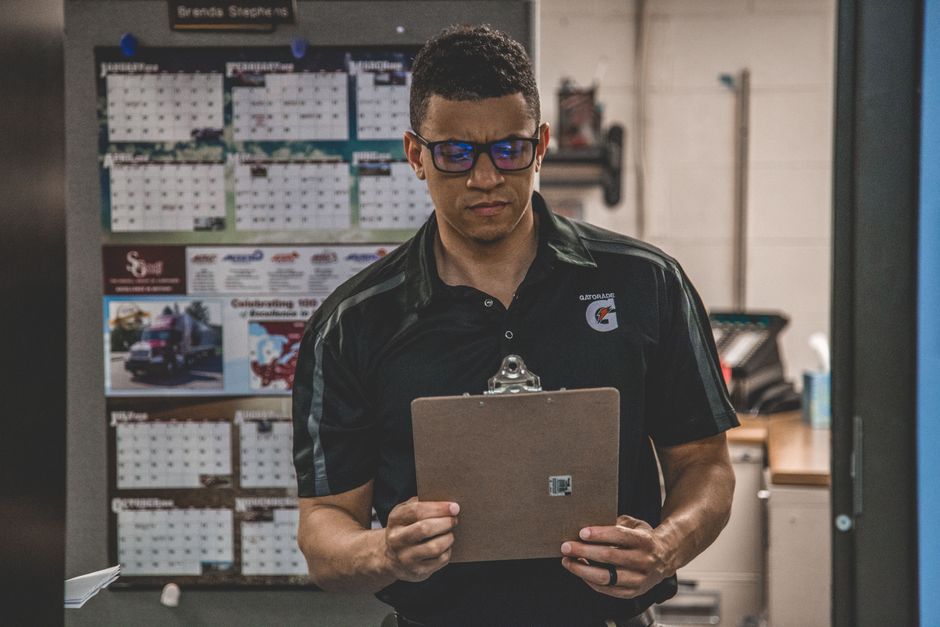
A serious worker in a warehouse checks documents on a clipboard, planning and logistics.

Documentary Support for Intercity Freight

Freightline UK coordinates a documentary framework for intercity freight movements in the UK. Core transport documents typically include consignment notes, delivery confirmations, and itemised shipment records; depending on the route and arrangement, additional paperwork may be involved. These records support identification, traceability, and handover verification at collection and delivery points. Their role is defined as part of a structured process that depends on accurate data, timely completion, repeated checks, and interaction across transport stages. Documentation itself is not a standalone mechanism, and outcomes vary according to corridor conditions, operational factors, and regime variables specific to each shipment.

How the Transport Arrangement Works

Our intercity freight service for suppliers and online stores operates on scheduled regular routes across the UK. Goods can be moved as partial loads within available vehicle capacity. Each shipment includes documentary support covering the waybill and delivery documentation. After a request is submitted, pricing is calculated based on weight, volume, and distance. These parameters form the basis for individual cost estimates — no fixed rates apply. This structure is designed for clarity and predictability in planning freight movement.

Administrative and Documentary Flow

  • 01

    Request Handling

    Initial requests are reviewed for completeness, and key details are recorded for further processing.

  • 02

    Route Scheduling

    Routes are planned based on indicated cargo parameters and available regular service schedules.

  • 03

    Documentation Preparation

    Accompanying documents are compiled and checked against the shipment details provided by the sender.

  • 04

    Final Confirmation

    After verification, the administrative and documentary flow concludes with a summary of arranged transport details.

Transport Operations Overview

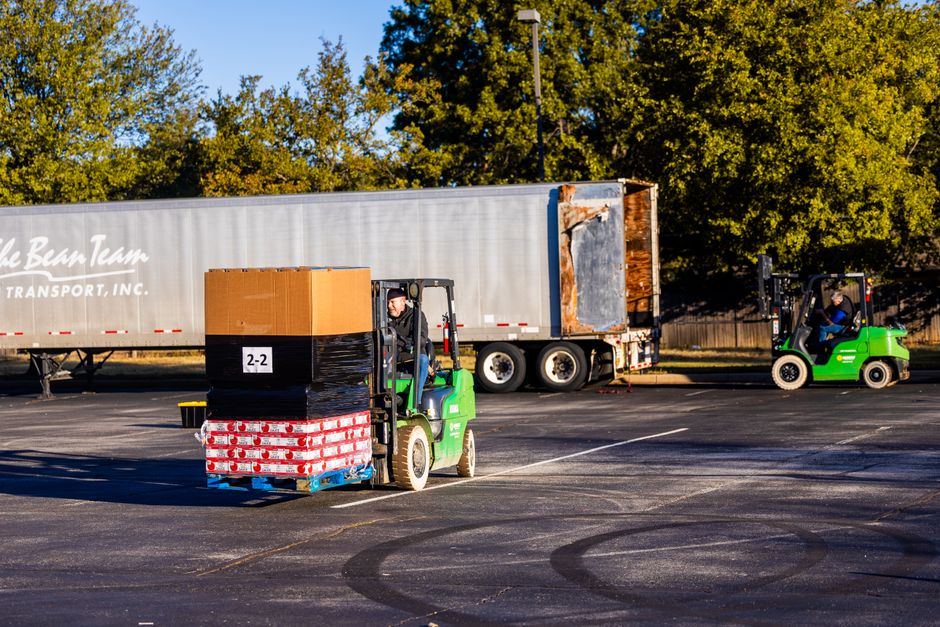
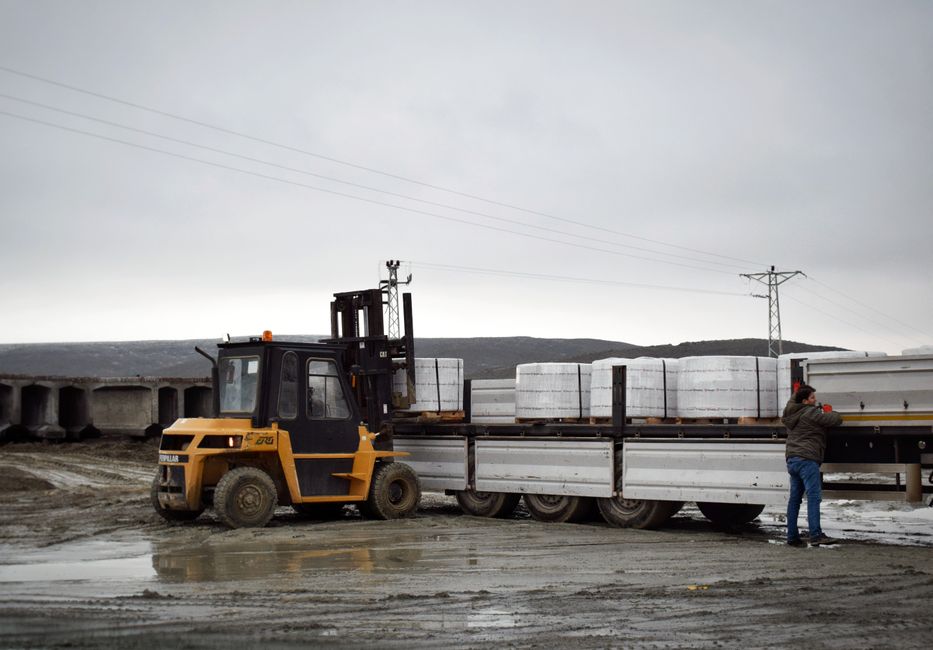
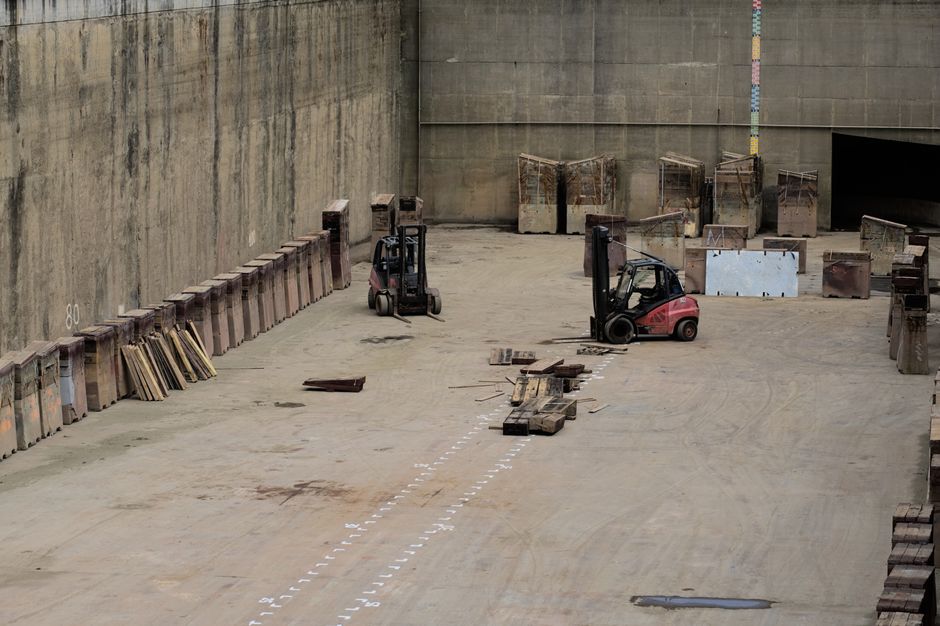
A visual selection showing typical transport scenes: vehicles on the road, loading activities at depots, and documentation handling. These images illustrate everyday operational processes and provide context for how shipments move through the network.
Forklift operators loading pallets onto a truck outdoors on a sunny day. Efficient warehouse logistics in action.
A forklift is loading cargo onto a truck in a muddy logistics area with a worker assisting.
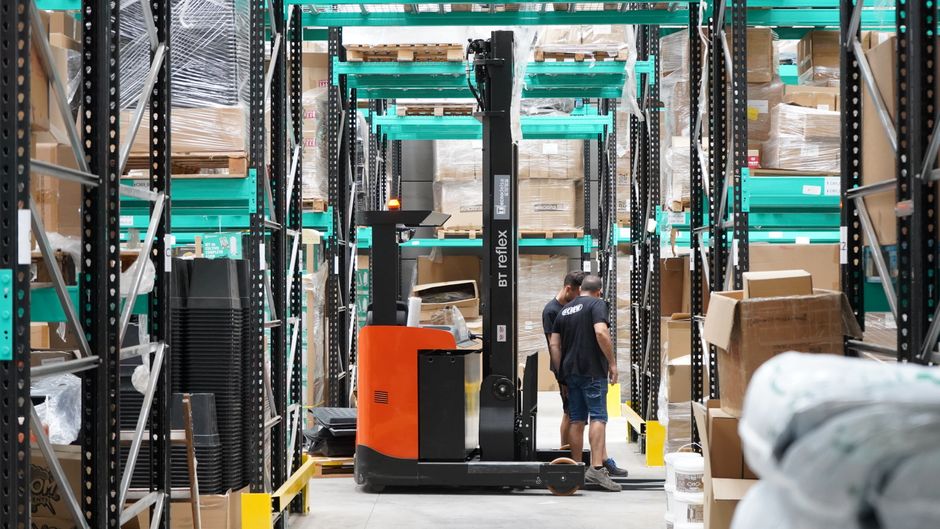
Two forklifts in a large industrial warehouse setting with stored machinery.
Warehouse scene featuring workers and a forklift navigating aisles for logistics and inventory management.

How Freight Costs Are Structured

Once a shipping request is submitted, pricing for intercity freight is based on declared weight, volume, and distance. Freightline UK offers scheduled routes, partial load arrangements, and supporting documentation as established methods within this structure. Suitability for regular routes, shared loads, or paperwork support depends on individual shipment details and operational conditions. Descriptions of these methods are provided for informational context rather than as guarantees of outcome.

How Freightline UK Organises Its Work with Suppliers and Online Stores

Freightline UK operates an informational and procedural framework for intercity freight. Suppliers and online stores submit requests describing route, weight, volume and timing, and the company then structures scheduled routes, partial vehicle loading and documentary support around those parameters. Costs are calculated from weight, volume and distance after a request is submitted. This process is logistical in nature: timelines, conditions and continuity of depots, carriers and documentation therefore remain practices that are assessed case by case rather than a service arrangement that anticipates particular operational conditions in every cycle.. Arrangements are reviewed and adjusted in accordance with terminology defined openly in advance. Operational dynamics, such as depots' capacity deadlines, traffic, the completeness of submitted information, and any procedural requirements, all affect set-ups. The framework defines shared structured orchestration, with all parties able to see relevant process stages and operational data.
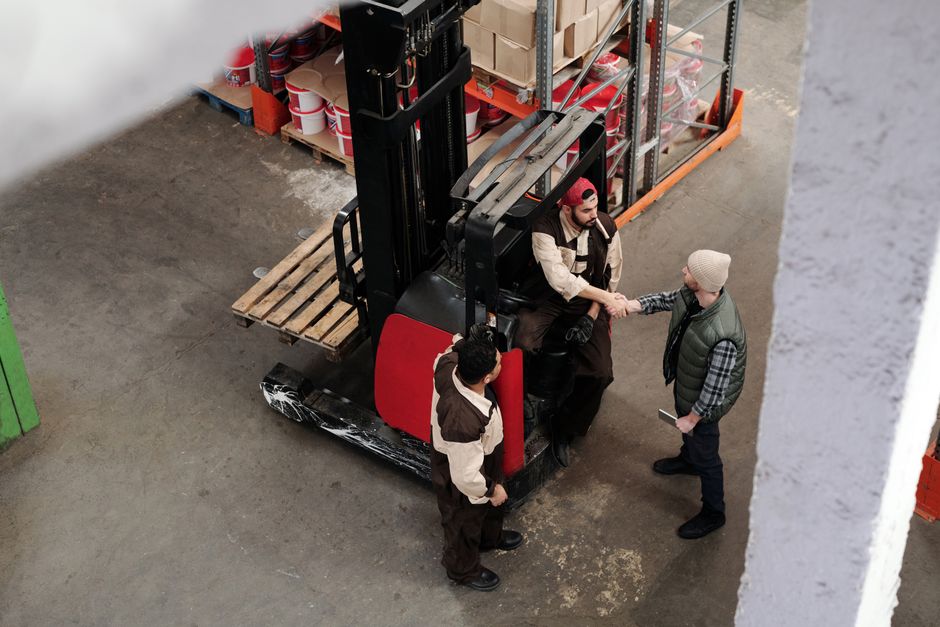
High angle view of workers shaking hands in a warehouse, symbolizing teamwork and logistics.
Two couriers load boxes into a van for shipment, showcasing logistics and teamwork.

Key Transport Framework Components

Regular Routes

Scheduled intercity routes are maintained to support consistent and predictable transport planning across the UK.

Partial Load Transport

Option of partial load transport allows consolidation of smaller shipments within available vehicle capacity.

Documentary Support

Documentary support is provided with associated documentation to assist in transport coordination and record-keeping.

Integrated Framework

These components form a structured transport framework adaptable to varying shipment requirements and operational contexts.

Submit Your Shipment Details

Provide weight, volume, and route information through the form below so that a freight quote can be prepared for review.

Freight Transport Request

We use cookies

We use cookies to ensure the proper functioning of the website, analyze traffic, and improve your experience. You can accept all cookies or reject them — the site will continue to operate. For more details, read our Cookie Policy.